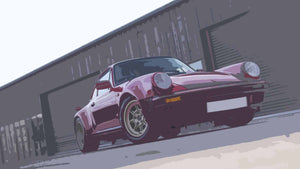


The Porsche 944 has a way of getting under your skin. The broad arches, pop-up headlights and hatchback shape still look distinctive, and a good one can make an ordinary drive feel like something you planned for the weekend.
I've owned several 944s, including a 1988 944 S. That experience taught me to look beyond a tidy interior, attractive paintwork and a promising mileage figure. Those things matter, but the history of the car—and what it will need next—matters more.
This Porsche 944 buyer's guide covers the main versions, common problems to investigate and the questions worth asking before you buy. It draws on my ownership experience, with manufacturer references for the model history and separate pointers for UK and US buyers.
In this guide
- Buying a Porsche 944: the quick answer
- Which Porsche 944 should you buy?
- What is a 944 like to live with?
- Common Porsche 944 problems: what to check
- What my 1988 944 S taught me about parts
- Essential questions to ask a 944 seller
- Paperwork checks for UK and US buyers
- Which versions should you reconsider?
- Porsche 944 buying questions
- Should you buy a modified 944?
Buying a Porsche 944: the quick answer
Start with the soundest, best-documented car that suits your life, rather than stretching for a particular badge. At a viewing, give these six areas priority:
- Structure: sills, jacking points and signs of corrosion or accident repairs.
- Maintenance evidence: dated invoices for timing-belt work and other model-specific servicing.
- Water ingress: damp carpets, rear storage areas and evidence of repeated leaks.
- Cooling and running: a genuine cold start, stable running and no unexplained overheating or fluid loss.
- Clutch and drivetrain: operation, noises and evidence of previous work.
- An independent inspection: ideally by someone who knows the front-engined Porsche range.
A car needing a few clearly understood jobs may be a sensible purchase. A car with several expensive unanswered questions is much harder to budget for.
Want a guide to keep with you? The 944 Buying Guide — Choosing, Owning and Enjoying a 944 brings together model choices, ownership considerations and a viewing checklist. Buy the digital edition from Retro Outlaws in PDF and EPUB formats, or choose the Buying Guide paperback on Amazon. Each format is purchased separately; the digital purchase does not include a physical book.
Which Porsche 944 should you buy?
The 944 range ran from 1982 to 1991 overall. It includes quite different ownership propositions, so it helps to decide what you want before comparing adverts.
The dates below describe the overall model range; local introductions and specifications differ, particularly in North America. Model year and first registration are not always the same thing. Confirm the identity and original specification of the individual car.
| Version | What makes it different | What to consider as a buyer |
|---|---|---|
| 944 2.5, eight-valve | The original naturally aspirated 944, with early and later cabin layouts. | A good place to start if outright performance is less important than enjoying the car. Early cars have their own appeal; later does not automatically mean better. |
| 944 2.7 | A larger eight-valve engine for the 1989 model year. | Confirm engine identity and investigate the availability of any parts it actually needs. |
| 944 S | A 2.5-litre, 16-valve version for model years 1987–1988. | Worth considering if you enjoy its character, with particular attention to documented engine maintenance and model-specific parts. |
| 944 S2 | A 3.0-litre, 16-valve model from model year 1989, offered as a coupé and cabriolet. | A tempting all-rounder, but assess condition, maintenance and roof condition on open cars before paying a premium. |
| 944 Turbo and Turbo S | Turbocharged models; the Turbo S arrived for model year 1988, followed by the higher-output regular Turbo for model year 1989. | Make sure you want the extra performance and can budget for the additional systems. Ask carefully about modifications and previous use. |
Porsche’s 944 model history (German-language page) and Turbo model history provide useful reference points. Published power figures can differ by market and by whether they use PS, bhp or US horsepower, so compare like with like.
For me, a well-kept eight-valve car would be more appealing than a neglected S2 or Turbo bought simply for its badge. Equally, if you really love the S, there's no reason to dismiss every example because another owner had a difficult experience. Buy with a clear understanding of that particular car.
What is a 944 like to live with?
A 944 is more usable than its sports-car shape might suggest. The coupé's opening hatch is helpful, and the rear seats can be useful for occasional needs rather than regular adult passengers. Try the driving position, visibility, steering effort and access before deciding it will fit your routine.
The handling is a large part of the attraction. A sound, properly set-up example can still feel wonderfully balanced and engaging today. Tyres, dampers, bushes, alignment and previous repairs all influence that experience, though, so the badge alone won't tell you how a particular car should feel.
Could you use one every day?
Possibly—but think about the practical arrangements as well as the journey. Would a week waiting for a part leave you without transport? Do you have a garage or reliable specialist nearby? Will the car spend winter outside, and can you deal with a leak promptly?
Those questions become particularly important if this would be your first classic or your only car. It is perfectly reasonable to want a 944 and decide that a second means of transport would make ownership much more enjoyable.
Fuel, comfort and useful equipment
Treat fuel-economy claims carefully. A steady motorway journey and short urban trips tell different stories, and US and UK mpg use different-sized gallons. When comparing figures, check the units, model and driving conditions. Ask the seller about their actual use, but plan your budget around your own journeys rather than the best number in an advert.
Air conditioning would be high on my list. My experience of the glassy cabin in summer was enough to make working air con very appealing. Test it: an installed system that doesn't cool is a potential repair, rather than a benefit you can already enjoy.
Documented suspension refurbishment, suitable tyres and properly functioning equipment can improve everyday enjoyment more than a long list of fashionable upgrades. Verify claimed factory options through records where possible. With aftermarket work, look for the specification, installer, invoices and any relevant insurance or local compliance requirements.
Common Porsche 944 problems: what to check
You don't need to diagnose everything at the kerbside. Your aim is to spot questions that need answering before you commit.
1. Corrosion and previous body repairs
Look closely at the sills, jacking areas, lower wings and wheel arches. Check panel alignment, paint differences and the underside where it can be inspected safely. A smart exterior doesn't establish what is happening inside a sill or behind previous repairs.
If there are concerns about corrosion or accident damage, arrange an inspection with proper access underneath. Don't crawl under a car supported only by a jack. A cosmetic improvement and a structural repair can involve very different bills.
2. Timing belts and 16-valve engine maintenance
Ask for invoices showing when the timing and balance-shaft belts were last attended to, the mileage and the work included. A handwritten note or a seller's recollection is less helpful than a dated invoice identifying the car.
For the 944 S and S2, also ask about the camshaft-chain system, tensioner and wear pads. These checks apply to both 16-valve versions. Clark’s Garage explains the chain-and-tensioner arrangement; treat this as technical background, rather than a current quotation or a universal maintenance schedule.
Agree the appropriate maintenance schedule with a knowledgeable specialist for the exact car and its history. If essential work cannot be evidenced, budget for it as unresolved rather than assuming low mileage has made it unnecessary.
3. Water leaks and damp interiors
This deserves more than a quick look at the driver's carpet. With permission, lift accessible carpets and check the front and rear footwells, behind the seats and the rear luggage compartments. Look for staining, a musty smell, corrosion and signs that the car has recently been dried out.
My own 944 experience included water collecting where you would rather not find it. In my Porsche 944 water-leaks article, I describe areas I investigated, including the sunroof drainage, rear-light area and other potential entry points. Use it as an ownership account to inform your questions, rather than assuming every damp car has the same fault.
Ask what was repaired and whether it has stayed dry through rain since. Fresh carpet alone doesn't answer that question.
4. Starting, running and cooling
Arrange to see the car start from cold, ideally confirming this with the seller beforehand. Watch how it starts, idles and reaches operating temperature. Check for warning lights, unexplained smoke, fluid leaks, overheating or a history of coolant loss.
A rough idle, vibration or smoke can have several causes. Avoid accepting an instant diagnosis—or making one yourself—from a single symptom. Have unexplained behaviour investigated, and never open a hot cooling system.
5. Clutch, gearbox and drivetrain
On a safe, insured test drive, pay attention to clutch operation, gear selection, judder and pronounced whines or clunks. Ask what has already been replaced and whether there are invoices.
Clutch replacement can involve substantial labour on a 944; the workshop procedure at Clark’s Garage illustrates the work involved. Get a current local estimate if it looks due. There is no dependable mileage at which every clutch will need replacement, and “they all do that” isn't a sufficient explanation for an unfamiliar noise.
6. Steering, brakes, tyres and electrical equipment
Look for uneven tyre wear, damage and signs of ageing, as well as tread depth. During the drive, note pulling, steering play, unusual vibration and knocking. Stop the test if braking or steering feels unsafe.
Work through the equipment patiently: pop-up headlights, windows, mirrors, heater, ventilation, instruments and sunroof if fitted. On a cabriolet, examine the roof and its operation too. A list of small faults can become surprisingly inconvenient once the car is home.
What my 1988 944 S taught me about parts
My S looked promising when I bought it: around 85,000 miles, paperwork, an attractive body and a very good interior. Later, an idle problem involved attention to the air-flow meter, throttle body and an oil-breather pipe.
The pipe was the memorable part. The garage asked me to help find one, and I eventually sourced an unused example in Denmark. It turned what sounded like a small component into a much longer conversation about availability.
That happened during my ownership, some years ago. It isn't a statement that the same pipe is unavailable today, or that every 944 S will present the same difficulty. Parts can be remade, restocked or supplied through different channels.
What I would do differently is check the availability of identified problem parts before agreeing a price. Ask for the exact part number, speak to suppliers and include lead time as well as cost. A cheap component that leaves your only car waiting for weeks can matter more than an expensive one available tomorrow.
Considering a non-runner or a car needing substantial work? Our Porsche 944 restoration guide explains how to assess the project, separate recommissioning from restoration and build a budget around the actual work.
Essential questions to ask a 944 seller
Keep this list on your phone, or take it with you:
- How long have you owned it, and why are you selling? Listen for a consistent account of its use and maintenance.
- Can I see it start from cold? Arrange this before travelling.
- What documents confirm the recent belt work? Check the date, mileage and scope of the job.
- On an S or S2, what records cover the camshaft-chain system? Ask for evidence, not just reassurance.
- Has it had overheating, coolant loss, oil leaks or running problems? What was diagnosed and repaired?
- Does water get into the cabin or luggage area? Where, and what has been done about it?
- What corrosion or accident repairs have been carried out? Are there invoices or photographs?
- What work has the clutch, gearbox and suspension had? What is known to be due next?
- What doesn't work, and what modifications have been made? Include air con and other fitted equipment.
- Would you allow an independent specialist inspection? Agree its scope and arrangements before committing.
It helps to ask, “What would you spend money on next if you kept it?” That can lead to a more useful conversation than asking whether the car is perfect.
Paperwork checks for UK and US buyers
In the UK: compare the vehicle identification details with the documents and check the registration information, MOT history, outstanding recalls and an appropriate provenance report. An MOT is useful evidence, but it isn't a substitute for a buying inspection. The GOV.UK used-car checklist explains the official checks, including why the V5C is not proof of ownership.
In the US: verify the VIN, title, seller's authority to sell and any recorded title brands. An NMVTIS vehicle-history report can help identify reported title, odometer, salvage and total-loss information, but it does not provide a complete maintenance or repair history. Check your state's DMV requirements, and investigate registration or emissions implications before buying a modified or imported car.
In either market, look for a story that joins up: the car, the seller, the documents and the invoices should make sense together.
Should you buy a modified Porsche 944?
A thoughtfully improved car can be appealing. I enjoyed the MOMO steering wheel and short shifter on mine, but I would still want to know what has been fitted, why it was chosen and who did the work.
Ask for component details and invoices. Check whether original parts are included, whether the changes suit your driving and whether the seller can explain any insurance or local compliance implications. A long modifications list is not proof of a well-sorted car, and aftermarket parts are not automatically worth their purchase price to the next owner.
Useful refurbishment and optional performance changes deserve separate consideration. New dampers replacing worn ones tell a different story from a much firmer suspension setup chosen for track use. Test whether you actually enjoy the result.
If you are comparing an upgraded example or planning changes after buying, the 944 Upgrade Planner ebook explores reliability, handling, comfort and sensible performance. Choose the digital edition from Retro Outlaws, or the Upgrade Planner paperback on Amazon. It is a companion for upgrade decisions, rather than a substitute for inspecting the car.
Which versions should you reconsider?
Reconsider the ownership proposition before ruling out a whole model. A Turbo may be the car you've always wanted, but it deserves a realistic maintenance reserve. An early eight-valve car may be lovely, but its cabin or equipment may not suit your daily journey. A cabriolet adds another set of condition checks if it will live outside.
The individual car deserves a second thought if structural concerns remain unresolved, its identity is unclear, important maintenance cannot be evidenced, or several faults have no credible diagnosis or repair estimate.
That doesn't mean every imperfect 944 is a bad purchase. It means the asking price is only part of the cost. Allow for inspection, immediate servicing, identified repairs and a reserve for surprises. If the numbers only work when nothing goes wrong, give yourself more room.
Porsche 944 buying questions
Is the 944 S2 always the best choice?
No single version suits everyone. The S2 is appealing for its larger naturally aspirated engine, but a well-maintained eight-valve car may suit your budget and the way you drive more closely. Compare actual cars, not just model reputations.
Should I avoid a high-mileage Porsche 944?
Mileage is one piece of evidence. Look at how the car has been used, what has been replaced and its present condition. Low recorded mileage doesn't remove the need to investigate age-related deterioration and maintenance history.
Are Porsche 944 parts still available?
Availability varies by component, version and location. Before buying a car with known faults, check the exact parts needed with Porsche and specialist suppliers. Don't assume either that everything is readily available or that every unusual component will be impossible to find.
Is a specialist inspection worth arranging?
I would make room for one in the buying budget. It can help turn an attractive advert into a clearer picture of the car's condition and likely immediate costs. Agree what the inspection includes; inaccessible areas and intermittent faults may still leave questions.
Find the 944 that fits you
There is plenty to enjoy here. The right 944 can offer character, useful practicality and the sort of drive that makes you take the longer route home. Taking your time at the buying stage gives you a better chance of enjoying those things without starting ownership with a list of avoidable surprises.
If you would like a guide beside you, the Retro Outlaws 944 Buying Guide ebook covers choosing a version, equipment, finding promising cars, viewing and driving, deciding whether to buy, and your first weeks of ownership. Choose PDF and EPUB from Retro Outlaws or the paperback on Amazon. Both are buying and ownership guides, rather than workshop manuals or replacements for a specialist inspection.
By Martin Henry, Retro Outlaws. Personal ownership experiences are distinguished from manufacturer and specialist information. This article is a buying overview, not a workshop manual or a complete inspection. It cannot diagnose a car remotely. Retro Outlaws is independent of Porsche AG.
For official UK documentation guidance, also see GOV.UK: vehicle registration certificates. US title, registration and emissions requirements should be checked with the relevant state authorities.
2 comments
Great ,informative article. Thank you
Great ,informative article. Thank you