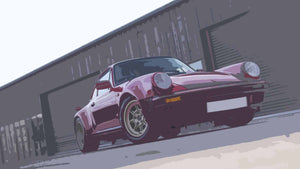


A dusty Porsche 944 with flat tyres and an optimistic asking price can be very persuasive. You can already picture it clean, running properly and heading out on a favourite road. The difficult part is working out what sits between the car in front of you and that first enjoyable drive.
I understand the attraction. Buying my 1988 944 S in 2016 brought plenty of enjoyment, but also a lesson in how small-looking problems can take time to unravel. Water leaks were a particular challenge. That experience is one reason I would start a restoration with the condition of the whole car, rather than a list of exciting parts.
A Porsche 944 restoration can be a rewarding project. The important question is whether this particular car suits your budget, skills, workspace and patience. A cheap purchase and an affordable finished car are not necessarily the same thing.
This guide is about making those decisions before the project gathers momentum. It covers choosing a starting car, planning the first mechanical assessment, understanding restoration costs and deciding how closely you want to follow the original specification.
In this guide
- Decide what you want to finish
- Assess the starting car
- Before attempting to start a long-stored 944
- Get the expensive uncertainties assessed first
- Build a useful restoration budget
- Original specification or sympathetic improvements?
- What if the engine is missing or damaged?
- Keep the project manageable
- When should you reconsider?
1. Decide what you want to finish
Before deciding how to restore a 944, decide what you want from it. There is a considerable difference between a dependable weekend car with presentable paint and a painstaking restoration where the finish beneath the bonnet matters as much as the finish on it.
| Your aim | What that means for the project |
|---|---|
| Safe, usable road car | Prioritise structure, mechanical condition, weatherproofing and dependable operation. Some cosmetic imperfections may be perfectly acceptable. |
| Tidy, original-style classic | Add a consistent standard of paint, trim and model-correct detail. Check the cost and availability of missing parts before buying. |
| Personalised road car | Restore the essentials, then choose changes around how you drive. Include fitting, compatibility and supporting work in the budget. |
| Show-focused restoration | Define the finish and authenticity you expect with the people doing the work. Preparation, detail and reassembly all need their own allowance. |
My preference for an enthusiast's first project would be a complete car that can become an enjoyable driver. You can improve its appearance over time. Starting with a stripped shell and several boxes of unidentified fittings asks much more of you from day one.
2. Assess the starting car, not just the asking price
A project advert often tells you what the seller hopes the car needs: a battery, fresh fuel, perhaps a little welding. Treat that as a starting conversation rather than a diagnosis.
Ask when it last ran, why it stopped being used and what has happened since. Was it stored dry? Has it been dismantled? Are the removed parts present? Can the seller show dated maintenance invoices, rather than simply saying the belts were done?
Look beyond the attractive panels
Arrange a proper inspection of the sills, floors, jacking areas, suspension mounting areas and evidence of previous accident or corrosion repairs. Inspecting the outside alone cannot establish the condition of concealed metal. Avoid destructive probing without the owner's permission, and never get underneath a car resting only on a jack.
The battery-tray area deserves attention too. Clark's Garage documents how drainage problems and corrosion there can lead to leaks, with possible electrical damage on cars whose control units sit beneath the affected area. The layout and consequences need checking on the actual car.
Completeness has value
Missing trim, damaged seats, absent engine-management components and a half-finished wiring conversion can all change the project. List what is missing and confirm suitable replacements before assuming those details will be easy to sort later.
A car that costs more but has sound structure, a complete interior and a documented history may be the more manageable purchase. Compare the work ahead, not just the money needed to collect it.
Still choosing the car? Our 944 Buying Guide ebook explores the different versions, ownership considerations and checks worth making before committing. It is useful background for choosing a project as well as a running car; it does not replace an inspection.
Prefer to read a physical copy before going to view a car? The 944 Buying Guide paperback is available on Amazon, purchased separately from the ebook.
3. Before attempting to start a long-stored 944
The temptation is to connect a battery and see what happens. I would resist it until the car has been assessed by someone who understands the engine and its history.
An uncertain belt history needs attention before an attempted start. Clark's Garage identifies the timing and balance-shaft belts, their tensioning and associated components as important maintenance items; the correct parts and procedures depend on the engine and equipment fitted. A quick glance at a belt is not a substitute for establishing its service history and condition.
Ask the specialist to define a recommissioning assessment covering the engine's condition, belt drive, lubrication and cooling systems, old fuel and fuel-system condition, wiring and evidence of storage damage. Let that assessment determine the appropriate checks before rotation or starting. This article is not a first-start procedure.
Also separate running from ready to drive. An engine that starts tells you little about the condition of the brakes, tyres, steering or suspension. Plan collection and transport on the assumption that a long-stored car may need recovery equipment, not a drive home.
4. Get the expensive uncertainties assessed first
Structure and body repairs
Before booking paint, understand what needs repairing beneath it. Ask a body specialist to explain the visible damage, the areas that need further access and how they will handle additional corrosion if it is uncovered.
A useful quote distinguishes metal repair, panel fit, preparation, paint and reassembly. A cosmetic repaint and a dismantled restoration are different jobs. “Full respray” is too vague to compare on price alone.
Engine, cooling and fuel system
Do not assume every dormant engine needs a full rebuild, or that every engine that starts only needs servicing. Pay for diagnosis before choosing between recommissioning, repair and rebuilding.
Ask what is included in any belt-service quote: belts, rollers, tensioning components, water-pump assessment, seals where appropriate and follow-up checks. An S or S2 also needs its engine-specific maintenance requirements considered; an eight-valve service description is not a universal specification.
Clutch, transmission and chassis
Budget separately for investigating clutch operation, gear selection, driveline noises, braking and suspension condition. A short shifter may improve movement, but it cannot establish that the gearbox is healthy.
Where a road test is not possible, acknowledge the uncertainty rather than treating those systems as proven. Ask the inspecting specialist what can be assessed now and what remains unknown.
Water ingress and interior condition
Dry the car and repair confirmed leaks before fitting new carpet or sound-deadening materials. Wet underlay can hide beneath a surface that looks reasonably presentable.
My own experience is covered in our Porsche 944 water-leaks guide. It explains where to start looking and why a wet rear carpet does not necessarily mean the water entered at the back.
5. What does a Porsche 944 restoration cost?
The honest answer starts with the condition of the car and the standard you want. A single total for “restoring a 944” hides too much to be useful.
I would build the budget in separate sections, using written quotes and confirmed parts prices where possible:
- Buying and collecting: purchase, inspection, recovery and any storage arrangements.
- Finding out: diagnosis, agreed dismantling and investigation of concealed damage.
- Structure and weatherproofing: corrosion repairs, previous damage, drains, seals and glazing work as required.
- Safe mechanical operation: engine work, fuel system, cooling, brakes, tyres, steering, suspension and driveline.
- Finish: body preparation, paint, trim, upholstery and reassembly.
- Completion: fluids, alignment where appropriate, testing, fault resolution and applicable road-use requirements.
- Reserve: money held back for genuine unknowns, separate from optional upgrades.
Ask whether quotes include tax, labour, consumables, outsourced work and removal and refitting. For overseas parts, include shipping and any applicable import costs rather than converting the advertised price alone.
Use a worked total, not a reassuring headline
For illustration only, suppose your own quotes and estimates produce £4,000 for the car and collection, £7,000 for essential repairs and £3,000 for cosmetics. You are already at £14,000 before a reserve. Those are invented figures to demonstrate the calculation, not market prices or a suggested restoration budget.
The useful next question is whether that total still makes sense compared with buying a sound, usable example. If you want the experience of restoring this particular car, that may justify the difference. Just make that choice knowingly, without assuming the spending will return when you sell.
A contingency percentage is no substitute for an unpriced major job. If the structural work or engine condition is still unknown, identify it as an unresolved decision rather than hiding it inside a small buffer.
6. Original specification or sympathetic improvements?
You do not have to decide between an untouched museum piece and a heavily modified car. There is room for an original-looking 944 with carefully chosen improvements that make you want to use it more.
I would establish the car's condition first, then distinguish restoration from optional changes. Refurbishing worn suspension is one decision; choosing a firmer setup for a particular driving preference is another.
During my ownership, a MOMO steering wheel and short shifter made a noticeable difference to how the car felt. A chip I tried was less convincing. Those experiences encourage me to think about the things you appreciate on every drive, rather than assume the biggest performance claim deserves the first purchase.
Keep usable original parts where practical, check compatibility and discuss any safety, insurance or road-use implications before modifying the car. Do not assume a particular modification will increase its sale value.
For a fuller look at the choices, our 944 Upgrade Planner ebook explores reliability, handling, comfort and sensible performance, with opinions and alternatives to help you decide where to spend. The digital product includes PDF and EPUB editions.
If you prefer a book to read and refer back to in the garage, choose the 944 Upgrade Planner paperback on Amazon. It is purchased separately from the digital edition.
You can also read our Porsche 944 road-car upgrades article for a useful starting point.
7. What if the engine is missing or seriously damaged?
This is the point where an engine swap can enter the conversation. It deserves consideration as a separate project, with its own purpose and complete cost, rather than a presumed shortcut around an expensive repair.
Compare repairing the original engine, sourcing a suitable replacement and converting to a different engine. Include the condition of the rest of the car, the work needed to integrate the chosen package and the requirements where it will be registered and used.
If you are investigating alternative routes, these independent planning guides offer more detail:
- 944 Engine Swaps: Beyond the V8 — compares 1.8T, 07K and Honda K-Series routes, costs and conversion decisions.
- 944 V8 Swap Blueprint — considers the engine choice alongside driveline, cooling, electrical integration and the wider build. A V8 Swap Blueprint paperback is also available through Amazon, purchased separately.
Neither is a universal fitting manual. Before buying an engine or conversion hardware, get advice and a realistic scope for your particular car and intended use.
8. Keep the restoration manageable
A project becomes easier to live with when you can see the next achievable stage. That might be an inspection and agreed scope, a sound and weatherproof shell, a safely running car, or a completed interior. Choose the stages around the work your car needs.
Avoid dismantling everything just because it is easy to remove. Photograph connections and fixings, label parts and store them carefully. Discuss the order of jobs with your specialists so that finished paint or trim does not have to be disturbed for work that could have happened earlier.
Confirm parts supply and workshop availability before promising yourself a completion date. Your own available time matters too: owning the tools is different from having several uninterrupted weekends to use them.
For a road-car project, I would protect the money needed to reach a safe, usable stage before expanding the cosmetic wish list. Getting to enjoy the car can be more rewarding than postponing every drive until it is perfect.
9. When should you reconsider the project?
A 944 can be a wonderful car and still be the wrong project for you. I would pause if:
- The seller will not allow an appropriate inspection or cannot establish ownership and identity.
- Significant structural uncertainty remains without an affordable way to assess it.
- Essential missing parts have no confirmed replacement route.
- The work requires skills, space or specialist support you cannot realistically arrange.
- The budget only works if every untested system turns out to be healthy.
- You mainly want to drive a 944 soon, while this car clearly needs a prolonged rebuild.
Reconsidering is not giving up on the model. It may mean choosing a more complete example, narrowing the work or finding a car that lets you enjoy ownership while improving it gradually.
Choose a project you can enjoy finishing
The appeal of rescuing a neglected 944 is real. The best starting point is a clear picture of the car you want, a proper assessment of what you have found and a budget that includes the less photogenic work.
Choose the guide that matches your next decision: the 944 Buying Guide before committing to a car, or the 944 Upgrade Planner when deciding how you want the finished road car to feel.
Have you restored or recommissioned a 944? Share the model, the starting condition and the job that surprised you most in the comments. Those details are more useful to the next owner than a total with no explanation of what it included.
References and scope
- Clark's Garage: Camshaft / Balance Shaft Belt Information — background on belt maintenance and model-specific components, rather than a first-start checklist.
- Clark's Garage: Battery Tray Leaks/Repairs — background on drainage, corrosion and possible electrical consequences.
This is an independent enthusiast planning overview, not a workshop procedure, valuation or inspection report. It does not supply current repair quotations. Parts, labour and requirements vary by car, condition and location. Have safety-critical work assessed and checked by suitably competent people. Retro Outlaws is not affiliated with or endorsed by Porsche AG.